About the Bishop
Most Rev. Mylo Hubert C. Vergara, D.D.
Bishop of the Diocese of Pasig
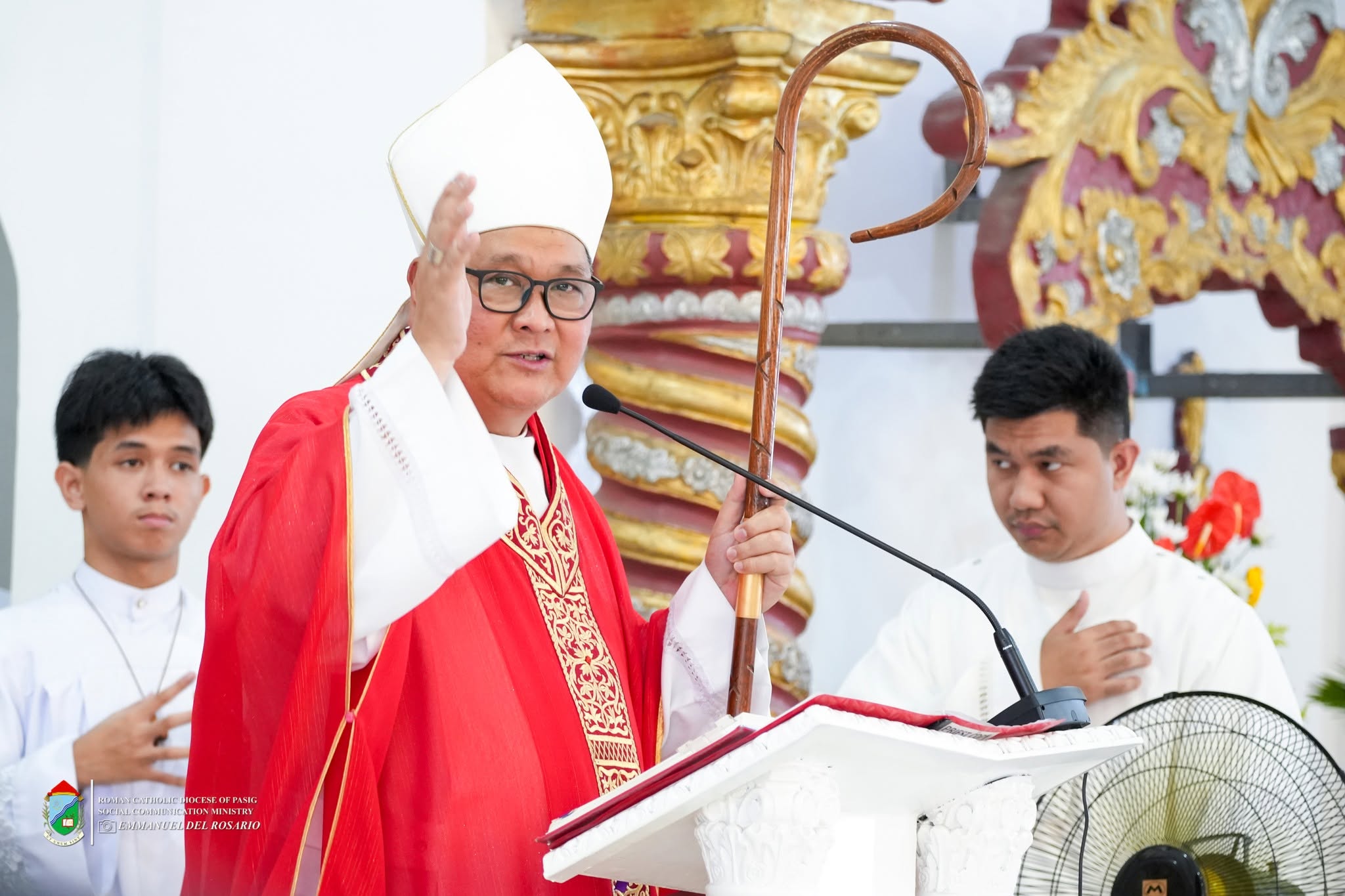
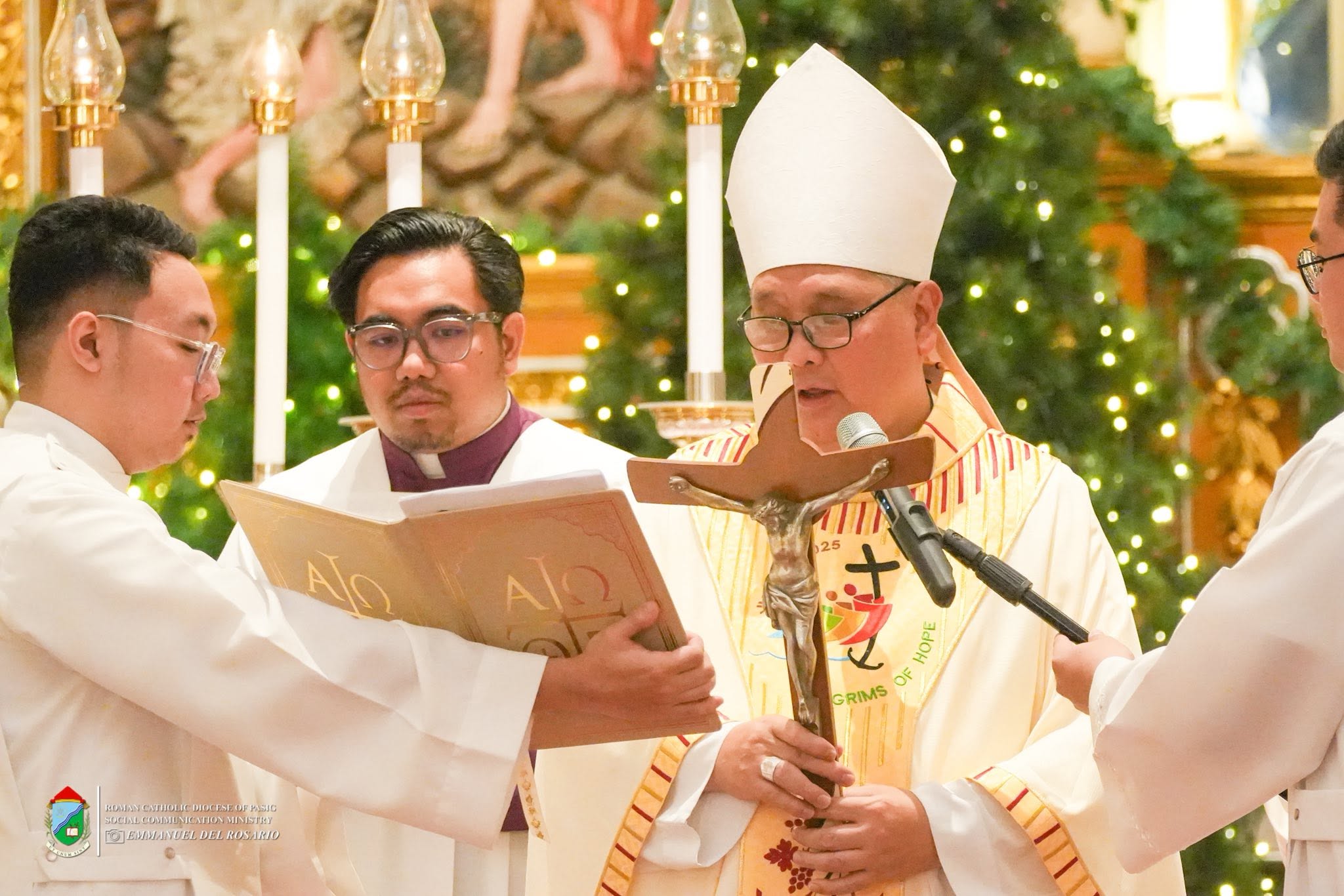
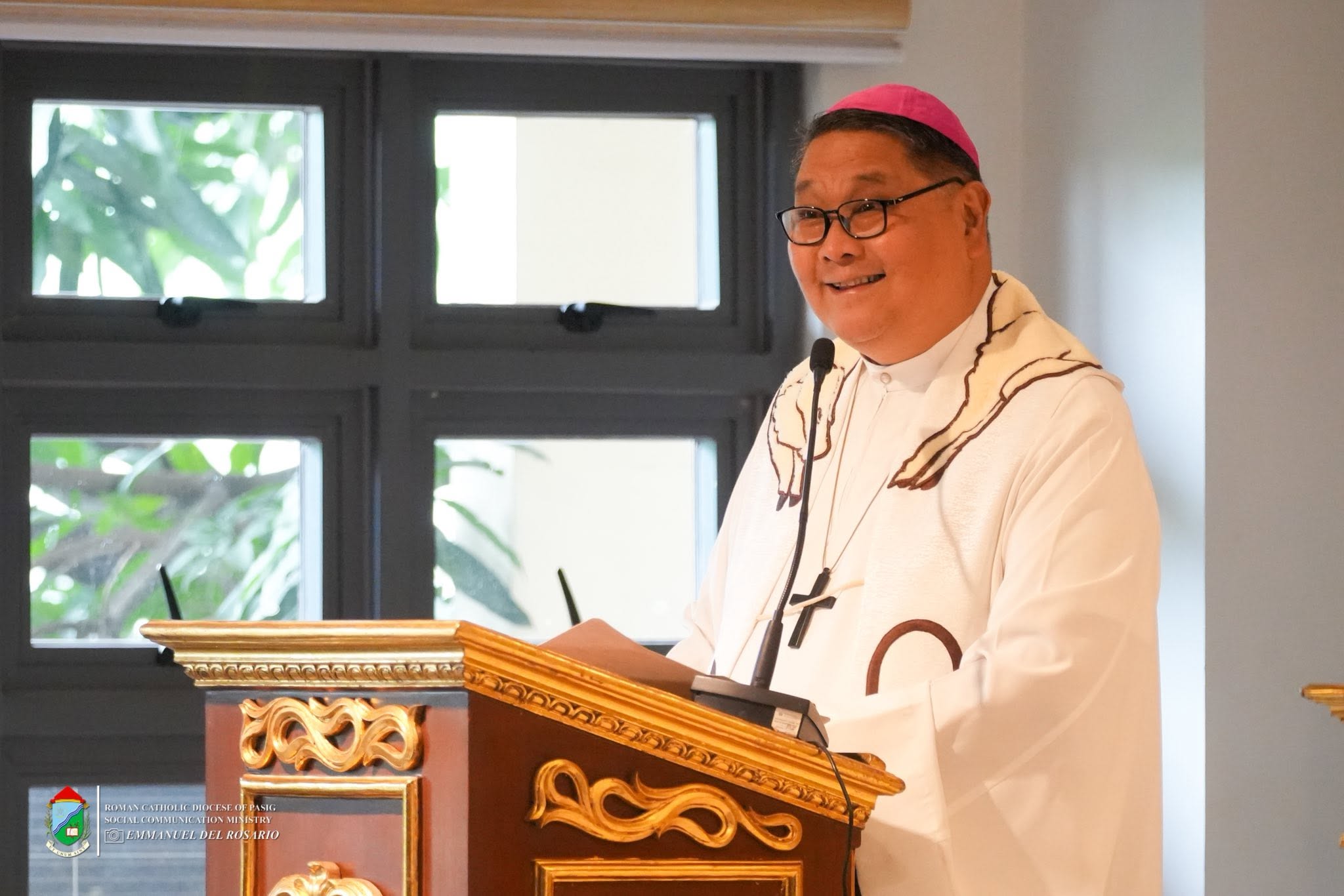
The Most Rev. Mylo Hubert C. Vergara, D.D. is the Second Bishop of the Roman Catholic Diocese of Pasig. As shepherd of the local Church, he leads the clergy, religious, consecrated persons, lay faithful, families, communities, and institutions of the Diocese in the mission of proclaiming the Gospel, celebrating the sacraments, forming communities of faith, and serving the People of God.
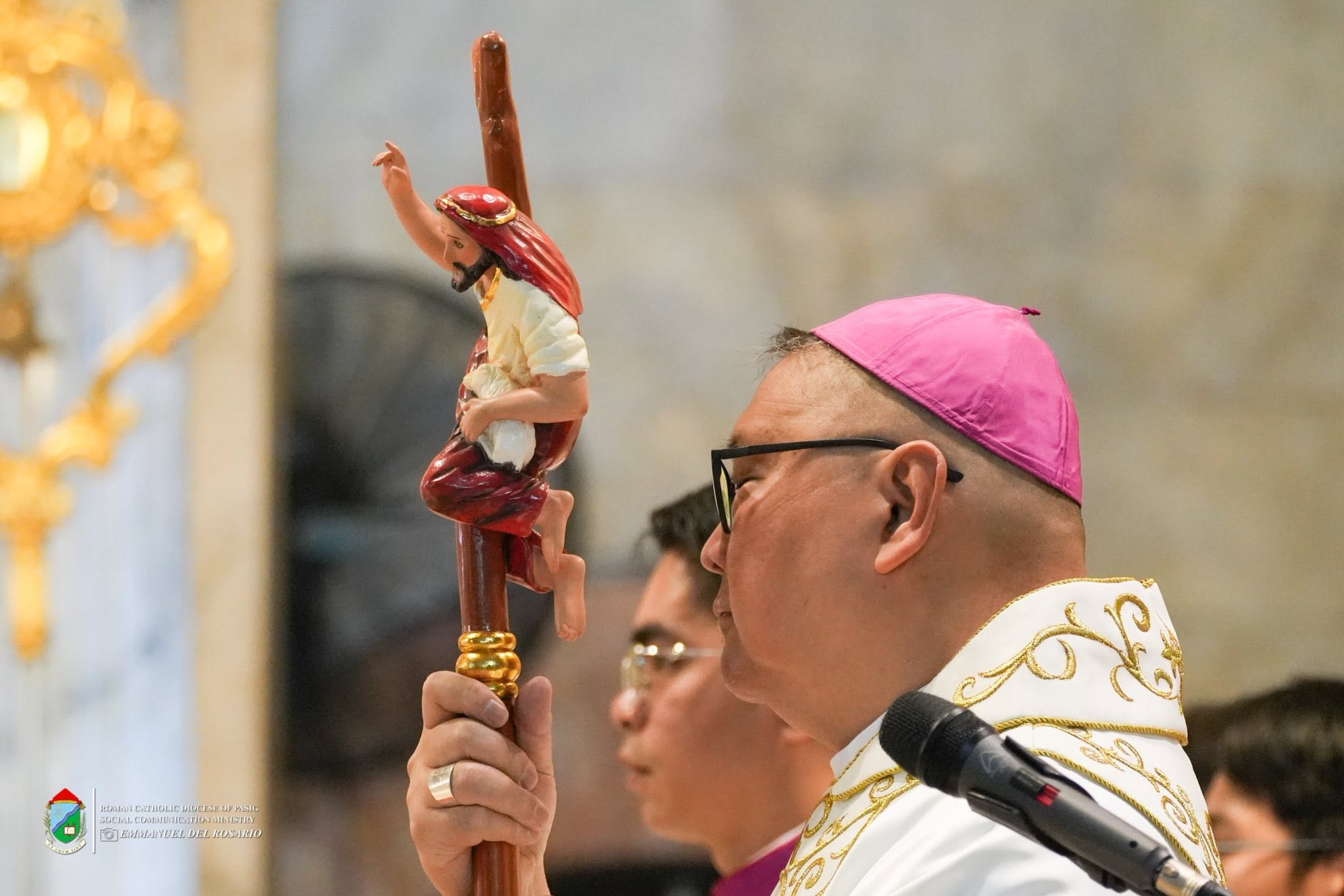
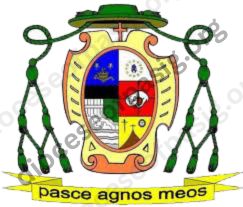
His episcopal ministry is guided by his motto, Pasce agnos meos — “Feed my lambs.” Taken from the words of the Risen Christ to Saint Peter, this motto reflects the heart of his vocation as a bishop: to care for the flock entrusted to him with the tenderness of a shepherd, the wisdom of a teacher, and the humility of a servant. In his leadership, Bishop Mylo continues to invite the faithful of Pasig to walk together as one Church, rooted in communion, nourished by the Eucharist, and sent forth in mission.
Born on October 23, 1962, Bishop Mylo was formed in faith, learning, and service through years of academic and spiritual preparation. He pursued studies at the Ateneo de Manila University, where he completed a degree in Management Engineering and a Master’s degree in Philosophy. He also completed theological formation at the Loyola School of Theology and earned a Doctorate in Sacred Theology from the University of Santo Tomas. His formation in philosophy, theology, pastoral leadership, and administration would later become essential foundations for his priestly and episcopal ministry.
Bishop Mylo was ordained to the priesthood on March 24, 1990. In the early years of his priestly ministry, he served in parish life, seminary formation, education, and diocesan administration. He was assigned as parochial vicar of St. Andrew the Apostle Parish in Makati and later became deeply involved in the formation of future priests through his service at Holy Apostles Senior Seminary, where he served as Dean of Studies, Professor of Philosophy, and later Rector. His years in seminary formation reflected his commitment to shaping priests who are intellectually prepared, spiritually grounded, and pastorally available for the service of the Church.
His priestly ministry also brought him to various pastoral and administrative responsibilities. He served as parish priest of Santa Rita de Cascia Parish in Philamlife Homes, Quezon City; Chancellor of the newly established Diocese of Cubao; and Parish Priest of the Parish of the Holy Sacrifice at the University of the Philippines Diliman. These assignments allowed him to serve diverse communities and deepen his experience in pastoral governance, formation, and evangelization.
On February 12, 2005, Pope John Paul II appointed him as the Third Bishop of San Jose, Nueva Ecija. He was ordained to the episcopate on April 30, 2005, and was installed as Bishop of San Jose on May 14, 2005. His episcopal ministry in San Jose marked the beginning of his wider service as a successor of the apostles, called to teach, sanctify, and govern the People of God entrusted to his care.
On April 20, 2011, Pope Benedict XVI appointed Bishop Mylo as the Second Bishop of Pasig. He was installed on June 23, 2011, at the Immaculate Conception Cathedral of Pasig. Since then, he has continued the mission of shepherding the Diocese of Pasig, strengthening the bonds of communion among parishes, schools, ministries, commissions, and ecclesial communities.
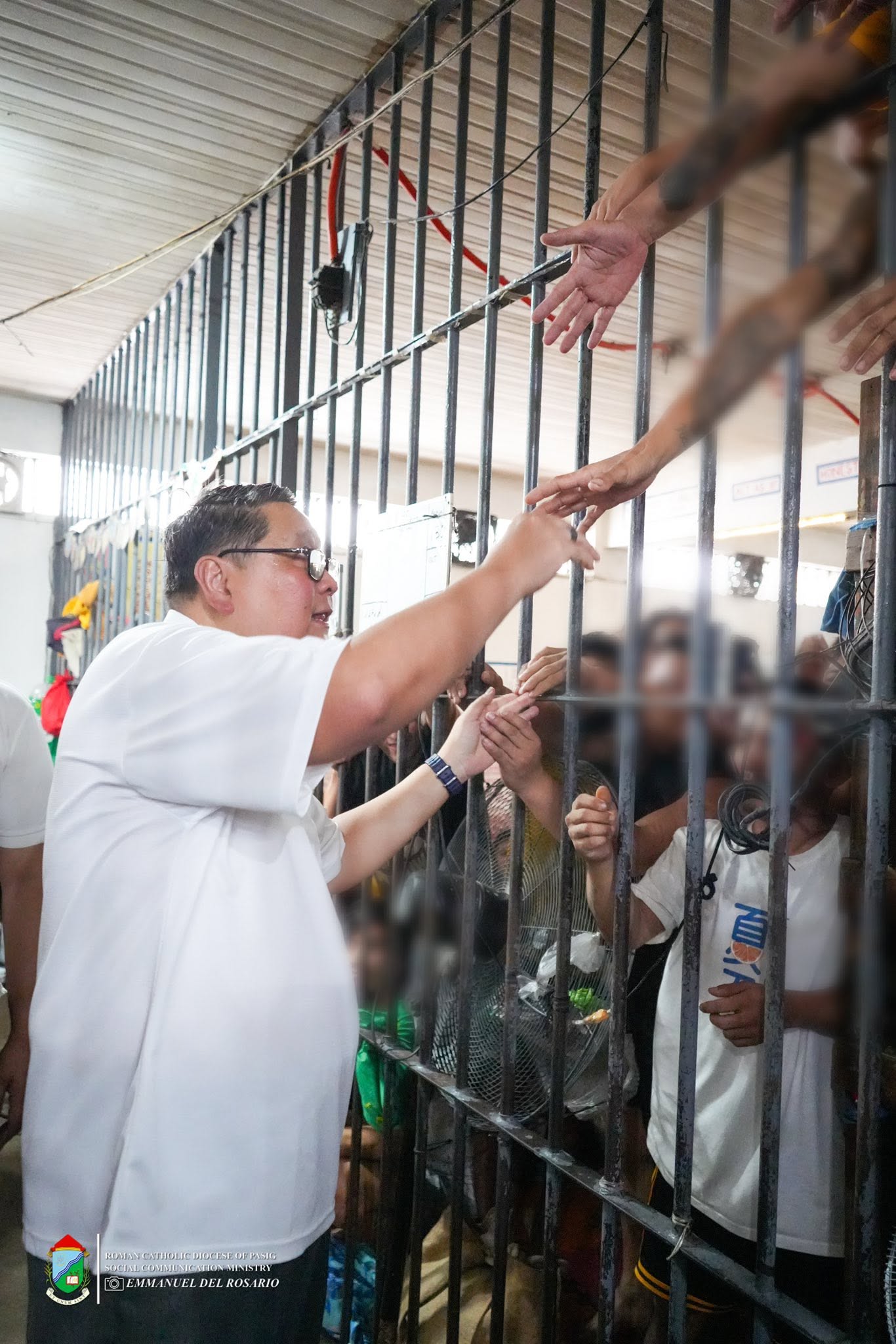
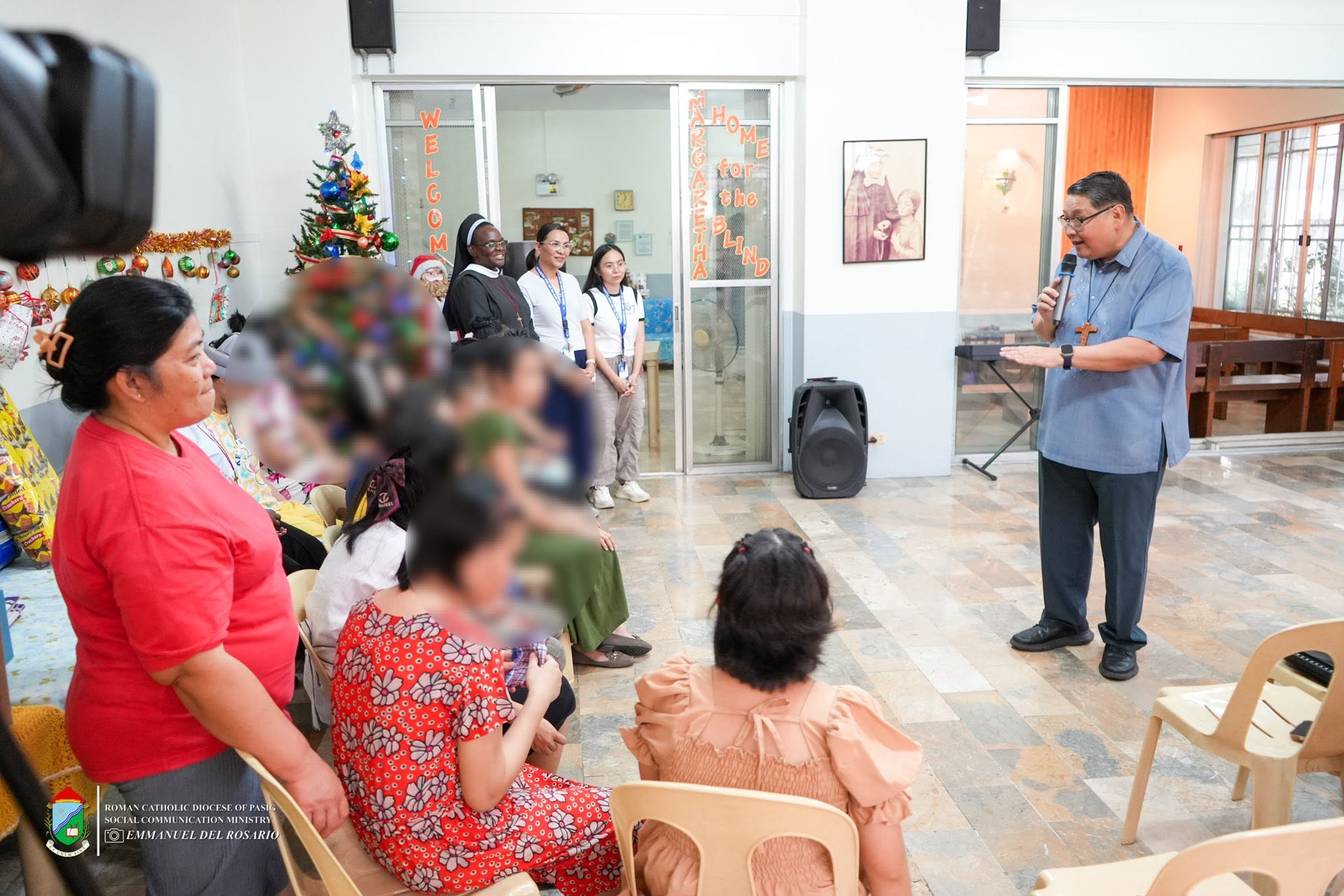
As Bishop of Pasig, Bishop Mylo has consistently emphasized the importance of a Church that listens, accompanies, and serves. His pastoral leadership encourages the faithful to become active participants in the life and mission of the Church. Through parish communities, diocesan ministries, Catholic schools, social action programs, formation initiatives, and pastoral commissions, the Diocese continues to respond to the needs of the faithful and the signs of the times.
Bishop Mylo’s leadership is marked by a strong commitment to formation. He recognizes that evangelization begins with the continuous formation of the heart, mind, and spirit. For the clergy, this means deepening priestly fraternity, pastoral zeal, and fidelity to the mission. For the lay faithful, this means discovering their dignity and vocation as baptized members of the Church, called to be witnesses of Christ in their families, workplaces, schools, communities, and society.
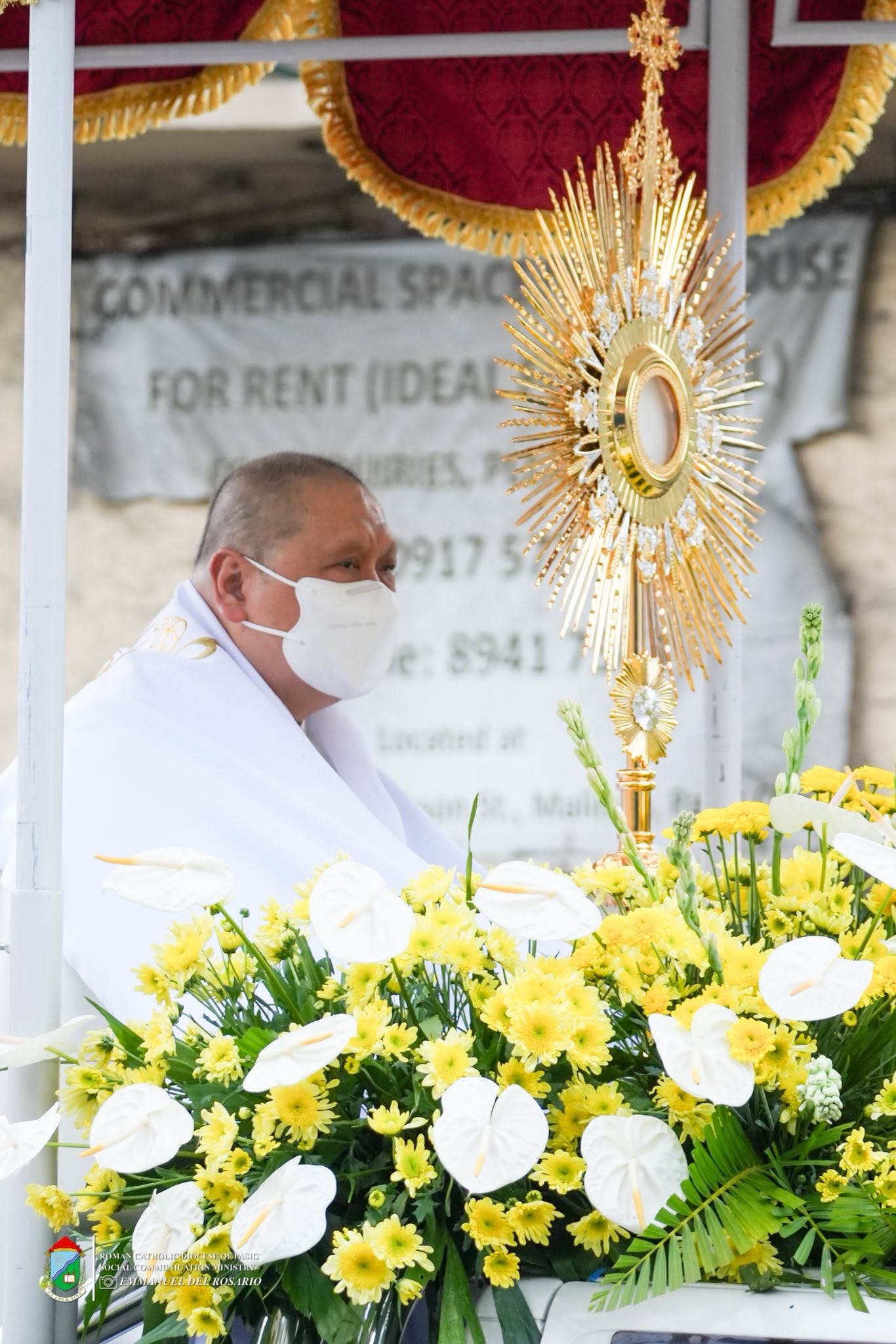
His ministry also gives importance to social communication and the responsible use of media in evangelization. In a world shaped by rapid communication, digital platforms, and changing social realities, Bishop Mylo has encouraged the Church to proclaim the Gospel with clarity, creativity, truth, and compassion. He recognizes communication not merely as the sharing of information, but as a ministry of encounter — a way of bringing people closer to Christ and to one another.
Beyond the Diocese of Pasig, Bishop Mylo has served the wider Church in the Philippines through his responsibilities in the Catholic Bishops’ Conference of the Philippines. He has served in leadership roles within the Conference, including his service as Vice President of the CBCP. His work at the national level reflects his commitment to ecclesial communion, pastoral collaboration, synodality, and the shared mission of the Church in the country.
In 2023, Pope Francis designated Bishop Mylo as Apostolic Administrator of the Diocese of San Pablo, following the resignation of its bishop. In this role, he was entrusted with the pastoral governance of the Diocese of San Pablo until a new bishop was appointed. This additional responsibility reflected the trust given to him by the Holy See and his readiness to serve the Church wherever he is called.
At the heart of Bishop Mylo’s ministry is the image of the shepherd. His episcopal motto, Pasce agnos meos, continues to express the spirit of his service: to feed, guide, protect, and accompany the flock of Christ. For the Diocese of Pasig, this call is lived through worship, formation, evangelization, social service, stewardship, and communion.
Bishop Mylo continues to lead the Diocese of Pasig with faith in Christ, devotion to the Church, and love for the People of God. Through his ministry, the Diocese is invited to remain steadfast in its mission: to be a community of disciples, a family of faith, and a local Church that proclaims Christ through word, witness, and service.